“BSL lives outside textbooks—here’s how I dive in daily.”
For me, BSL isn’t something you switch on and off—it’s a living, breathing language that flows through everyday life. Growing up as a CODA, immersion began at home: signing classes, family conversations, and interactions that taught me that language is inseparable from culture. Even as a child, I would help my dad with learners—writing on flip charts, guiding handshapes, or explaining subtle nuances of signs. Those moments taught me early on that communication isn’t just about vocabulary—it’s about connection, timing, humour, and context. Even now, long after becoming a qualified interpreter, teacher, and assessor, that immersion continues every single day.
Daily life for a CODA-interpreter involves more than formal interpreting assignments. I’m constantly engaged in real-time communication, whether video-calling friends or family, checking in on clients, or facilitating access to resources. Even routine interactions—catching up on news, reading BSL blogs, or observing signing in social contexts—become opportunities to refine understanding, pick up new signs, and stay connected to evolving trends in the language.
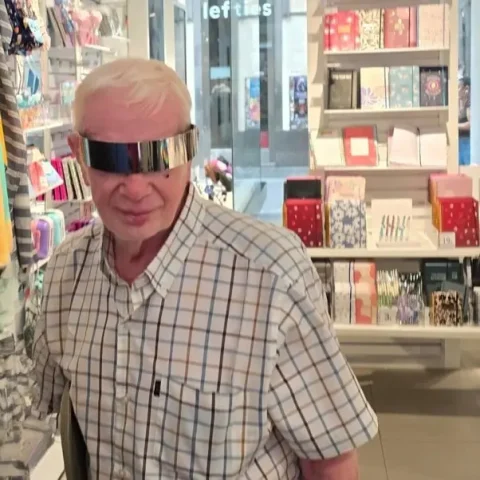
Having my dad around has been absolutely fabulous. I have a wealth of stories from his experiences, and he taught me early on the importance of rapport. When I first started growing my team, I would send new CSWs and interpreters to him (back when he still worked at the NHS) for his end-of-week interpreting sessions. He would catch up with colleagues, plan for the following week, and finalise any open reports.
New team members would inevitably encounter his mischievous humour. The office would often get calls like:
- “I don’t think the client understands my signing.”
- “I don’t understand the client’s signing.”
- “The client said I’m late, but I thought it was a 9am start…”
He loved to throw in Japanese signs, French signs, or other signed languages, just to see how the new interpreters would react. Sometimes he would stand in the hall unnoticed, watching the shadow of a new team member reflected in his workroom window. As they walked in, he’d casually step out, glance at his watch and slowly shake his head silently observing their reactions—an unspoken lesson in observation, timing, and presence.
He loved humour, and it was one of his greatest tools. It opened doors, eased tension, and kept relationships with hearing people alive and open. That light-hearted approach taught me early on that effective communication isn’t just about signs—it’s about connection, trust, and making people feel seen and understood. These lessons have stayed with me and shape how I interact with clients, colleagues, and trainees every day.
Immersion also means being sensitive to cultural and interpersonal nuances. Every Deaf individual I meet has their own communication style, preferences, and background. Observing, listening, and adapting is a daily practice. My CODA upbringing taught me early on to notice these subtleties—lessons reinforced by years of interpreting, teaching, and assessing trainees.
Beyond personal immersion, I actively seek professional and community experiences that deepen my engagement with BSL. Attending Deaf social events, collaborating with Deaf professionals, participating in cultural workshops, and staying connected to advocacy groups all feed my understanding and enrich my interpreting practice. For example, learning how humour is used differently in a Deaf social setting versus a classroom or professional assignment offers insight that I can share with my trainees. This exposure allows me to bring authentic, lived insights into the classroom and ensures I remain a competent, culturally informed interpreter.
Discussions with other teachers have also been invaluable. While most are SLIs, not all are, and their own experiences—both domestic and commercial—feed into a rich range of examples and teaching moments that I can utilise for the benefit of trainees. This collaborative approach allows learners to engage with multiple perspectives, see the variety of real-world challenges, and gain insights that extend beyond the classroom.
Ultimately, immersion beyond the classroom is about making BSL part of life, not just a skill. It’s about listening, observing, reflecting, and continually learning. The language evolves, the culture evolves, and so must interpreters. For anyone learning BSL or considering interpreting as a career, embracing this immersion is what transforms competence into fluency, and knowledge into understanding.
